
Is Drinking Coffee at Work Good for Productivity?
For many Australians, coffee and office life go hand in hand. The workday begins with the best coffee available, before starting on Slack and email messaging. With a quick reset between meetings, a second coffee or tea may follow, and concluding with an afternoon coffee break.
But does drinking coffee at work actually improve productivity, or is it simply a workplace perk employees enjoy?
The short answer is yes coffee at work can support productivity when it is consumed in moderation and supported by the right workplace environment. However, the real value of workplace coffee goes beyond caffeine alone.
At Workplace Hospitality, we see coffee as part of the broader workplace strategy, harnessing the benefits of employee experience. In modern Australian workplaces, coffee can support focus, create useful pauses in the day, encourage informal connection and give employees another reason to enjoy coming into the office.
For organisations navigating hybrid workplace challenges, employee engagement and office attendance goals, the quality of the workplace coffee can have a significant impact on how employees use and experience the office.

Coffee breaks spark workplace collaboration
Research consistently shows that coffee consumption can improve alertness, attention and reaction time, particularly during mentally demanding tasks or periods of low energy.
For many employees, drinking coffee at work helps:
Start the workday
Stay focused during long meetings
Manage afternoon energy dips
Complete repetitive or detail-focused tasks
Maintain concentration during long or busy periods
That said, coffee is not a replacement for healthy workplace practices. Increasing productivity depends on many factors, including workload, sleep, workplace culture, leadership and employee wellbeing.
Coffee also affects people differently. Too much caffeine may cause jitters, anxiety or restlessness for some employees, while late-day coffee can disrupt sleep and affect next-day energy levels.
The most effective workplace coffee programs support balanced habits and provide a variety of beverage choices, rather than encouraging excessive caffeine consumption.
Why Coffee Helps People Feel More Focused
The science behind coffee and productivity is relatively straightforward.
Caffeine Supports Alertness
Caffeine works by temporarily blocking adenosine, a chemical in the brain associated with tiredness. As a result, people may feel more awake, alert and ready to focus.
In practical workplace terms, this can help employees feel more engaged during focus-heavy tasks, long meetings or periods of low energy.
For many office workers, regular coffee becomes part of the rhythm of the workday because it provides a familiar mental reset alongside a mild energy boost.
Coffee Helps Most With Attention, Not Everything
Coffee can support attention, vigilance and reaction speed, but it does not automatically make someone more strategic, creative or productive overall.
Factors such as sleep quality, workload management, workplace design and organisational culture still play a much larger role in long-term performance.
This is where many workplace coffee conversations miss the point. The real workplace value of coffee often comes less from the caffeine itself and more from the experience surrounding it.
Where Coffee Really Adds Value at Work
The strongest productivity benefits of workplace coffee often come from the way it shapes the workday and workplace experience.
For workplace managers, HR leaders and facilities teams, coffee at work is not simply about helping employees drink coffee for energy. It can also support better breaks, social connection and a more welcoming office environment.
It Creates a Natural Pause
A short office coffee break gives employees a reason to step away from their desks, move around and reset mentally.
These short breaks can be valuable during long periods of screen time or demanding work. Even a brief change of environment can help employees return to tasks feeling more refreshed and focused.
Importantly, the productivity benefit is not only the coffee itself. The pause matters too.
A well-designed workplace coffee area can encourage healthier work rhythms without disrupting the day unnecessarily.
It Helps People Connect Naturally
Coffee breaks also create low-pressure moments for informal interaction.
Conversations while waiting at a coffee machine or chatting over barista coffee can support casual relationship-building across teams. Employees may exchange ideas, solve small problems informally or simply reconnect socially during the day.
In hybrid workplace environments, these small moments matter more than ever. When employees spend less time together overall, informal connection becomes an important part of workplace culture and employee engagement.
Coffee alone does not create culture, but it can support the social infrastructure that helps workplaces feel more connected and collaborative.
It Makes the Office Feel More Worthwhile
In hybrid work, employees often compare the experience of working from home with the experience of coming into the office.
The office now needs to offer more than desks, meeting rooms and Wi-Fi. Workplace experience matters.
Quality workplace coffee, welcoming breakout areas and thoughtful staff amenities can help create a more appealing office environment.
A premium office coffee machine, coffee bar or pantry program may seem like a small detail, but it can contribute to making the workplace feel more considered and enjoyable to spend time in.
For organisations focused on return to office strategies, good coffee can become one of many small reasons employees feel more positive about office attendance.
Learn more about our corporate coffee service in Sydney.

The Hidden Problem: When Employees Leave the Office for Coffee
One of the most overlooked productivity costs in Australian workplaces is the amount of time spent leaving the office for coffee.
A quick coffee run often includes:
Leaving the building
Walking to a café
Waiting in line
Ordering and paying
Returning to the office
Individually, this may seem minor. Across larger teams and busy CBD workplaces, however, the time adds up.
Nespresso Professional reported that employees spend an average of around 11 minutes buying coffee outside the workplace. While not every minute would otherwise be spent productively, the data highlights how off-site coffee runs can create repeated interruptions throughout the workday.
A café-style coffee experience inside the workplace does not remove coffee breaks — nor should it. Instead, it makes breaks easier, more convenient and less disruptive.
Employees can still enjoy the ritual of coffee without needing to leave the building multiple times throughout the day.
For workplace leaders, this creates a more balanced outcome:
Employees still take breaks
Teams remain closer to the workplace
Informal collaboration becomes easier
Workplace flow is interrupted less often
This is one reason many Australian organisations are investing more strategically in workplace coffee and hospitality experiences.
View our Workplace Capability Document here.
Are Coffee Breaks Good or Bad for Productivity?
Coffee breaks are not inherently good or bad. Their value depends on how they fit into the broader workday.
Short breaks can support:
Mental reset
Movement away from the desk
Casual conversation
Reduced cognitive fatigue
Better focus when returning to work
However, breaks become less helpful when they are excessively long, highly frequent or involve repeated trips away from the workplace.
The goal should not be to discourage employees from taking breaks. Most workplace experts recognise that regular pauses are important for wellbeing and concentration.
Instead, the focus should be on designing workplace environments that support better break experiences, which are easy, welcoming and integrated into the office itself. Additionally, beverage breaks can be supported by corporate pantry services.
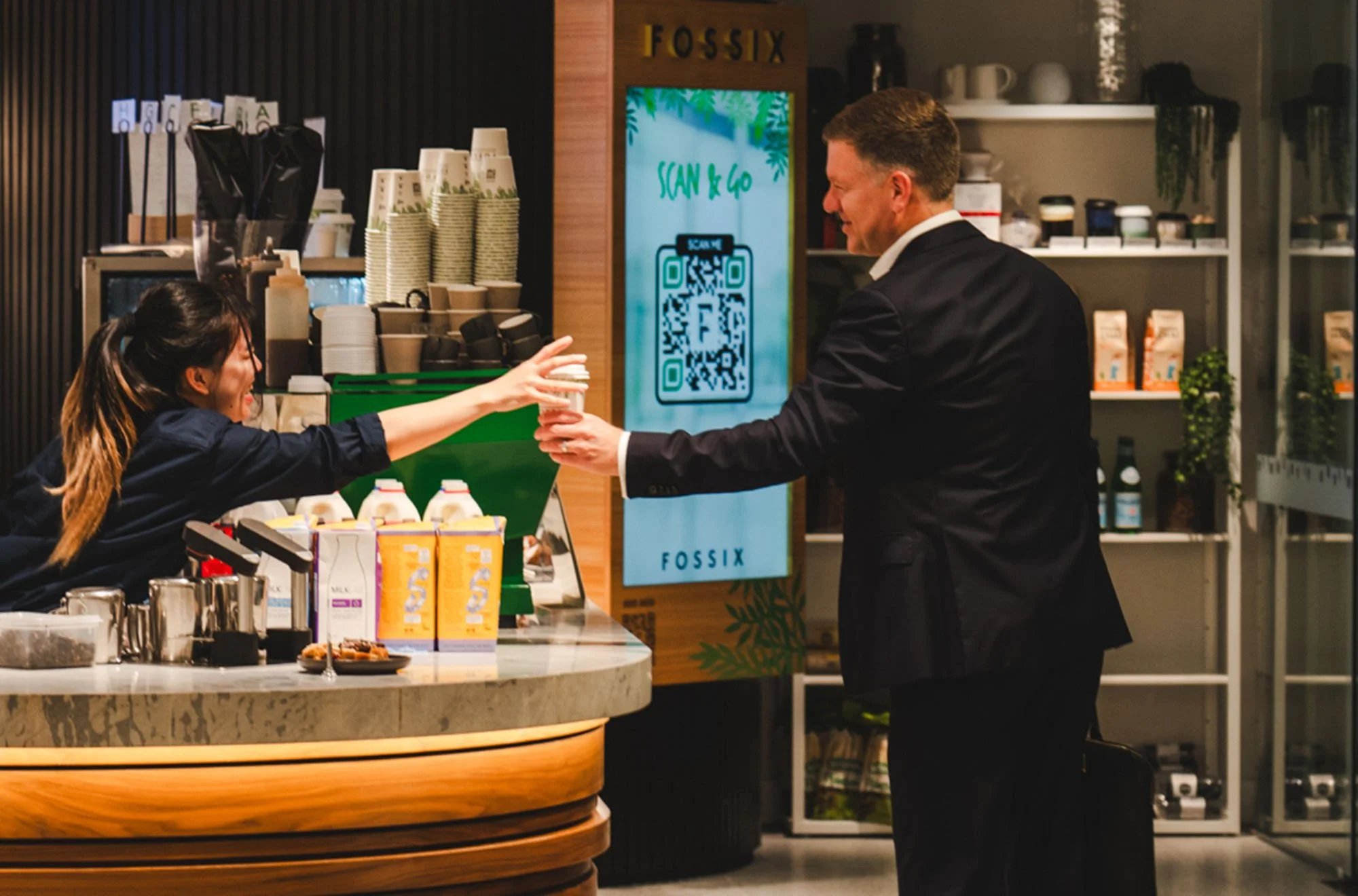
When Coffee Can Work Against Productivity
A balanced discussion about coffee and productivity also needs to acknowledge the downsides.
More coffee is not always better.
Excessive coffee consumption may cause:
Jitters
Anxiety
Restlessness
Difficulty concentrating
Sleep disruption
Late-day caffeine can also affect sleep quality, which may reduce focus and energy levels the following day.
Individual tolerance varies significantly, and not all employees want or need regular coffee throughout the day.
For this reason, thoughtful workplace beverage programs should include:
Decaf coffee
Tea options
Filtered water
Sparkling water
Non-caffeinated drinks
Milk alternatives
The goal is to support employee wellbeing and choice, not create a culture where caffeine is used to push through exhaustion.
Some studies also suggest that moderate regular coffee consumption may be associated with certain health benefits, including reduced risk factors linked to type 2 diabetes, though workplace decisions should remain focused on practical employee experience outcomes rather than health claims.
What Makes Office Coffee Actually Work?
Simply having coffee in the office is not enough.
For workplace coffee to genuinely support productivity and employee experience, the quality of the experience matters.
Quality Matters
Poor coffee often sends employees outside looking for better alternatives. Quality coffee helps employees feel the workplace has invested thoughtfully in their experience.
Convenience Matters
Coffee should be easy to access throughout the workday. Long waits, poor layouts or unreliable supply reduces the practical value of workplace coffee.
Space Matters
Coffee areas should feel welcoming and encourage natural breaks, movement and informal interaction.
Service Matters
Managed coffee solutions, barista coffee experiences and professionally maintained coffee machines create a more polished workplace environment.
Choice Matters
Employees have different preferences and dietary needs. Tea stations, filtered water, sparkling water, non-caffeinated drinks and milk alternatives all contribute to a more inclusive workplace beverage experience.
For businesses that want coffee to support the workday, the experience around the coffee matters as much as the coffee itself.
Workplace Hospitality helps organisations create café-style coffee bars, kitchen services and pantry programs designed specifically for Australian workplaces.
Learn more about our diverse corporate cafe menu.
So, Is Drinking Coffee at Work Good for Productivity?
Yes — coffee at work can support productivity when it is consumed in moderation and supported by the right workplace environment.
Coffee may help employees:
Feel more alert
Maintain attention during demanding work
Take useful short breaks
Connect more naturally with colleagues
Spend less time leaving the office for coffee
But the real value of workplace coffee is not simply caffeine.
It is the workplace experience built around it.
In modern Australian offices, quality workplace coffee can support employee engagement, improve office attendance, encourage informal collaboration and help the workplace feel more welcoming and worthwhile.
For organisations focused on hybrid work, employee experience and workplace culture, coffee becomes more than a drink. It becomes part of how people experience the office itself.
If your organisation is looking to improve the everyday workplace experience, Workplace Hospitality provides reliable workplace hospitality services including café-style coffee bars, pantry programs, kitchen services and office catering solutions designed for modern Australian workplaces.
