
How to Enhance Workplace Experience in Modern Offices
Today’s modern office needs to support collaboration, focus, convenience, wellbeing, connection and culture. Employees expect workplaces to feel functional, welcoming and worth the commute. They also expect the office experience to work smoothly throughout the day, from technology and meeting spaces through to coffee, catering and hospitality.
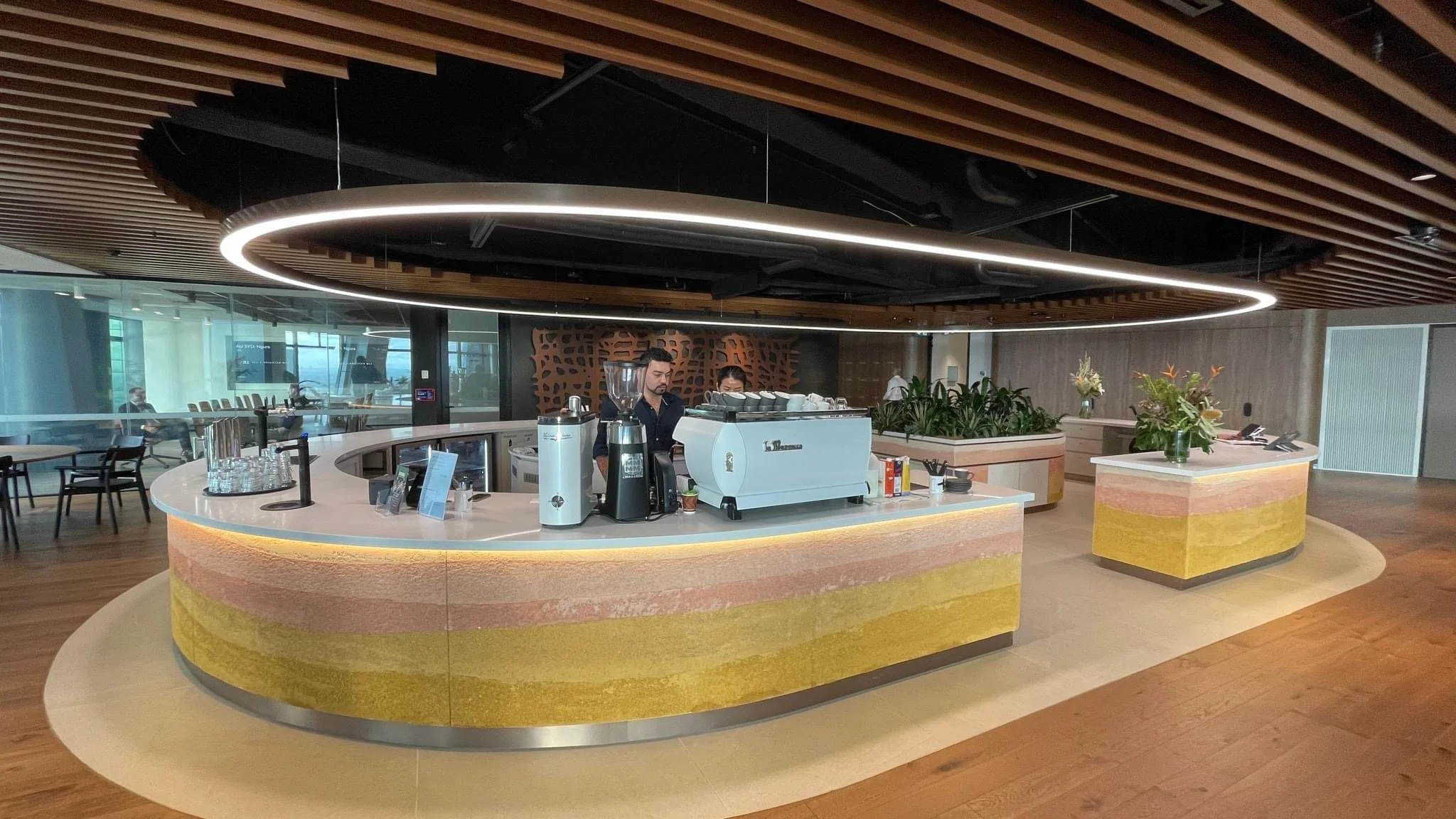
At Workplace Hospitality, we see workplace experience as the combination of many small moments that shape how employees, visitors and teams feel about the office. Hospitality-led services such as barista coffee, in-office cafés, reliable corporate pantry services, office kitchen services and catering can play an important role in creating workplaces that feel more connected, comfortable and enjoyable to use.
For Australian businesses focused on office attendance, employee engagement and workplace culture, improving workplace experience is no longer just an HR initiative. It is now an essential business priority to drive employee experience metrics.
What Does Workplace Experience Mean?
Why is Workplace Experience Important?
Workplace experience is the overall impression employees, visitors and teams have when they interact with a workplace.
It includes far more than office design alone. Workplace experience is shaped by the physical environment, technology, services, amenities, communication and how easy it feels to work within the space day to day.
A strong workplace experience strategy may include:
Office layout and workplace design
Collaboration and focus spaces
Reliable meeting technology
Flexible workspace options
Workplace amenities
Food, coffee and refreshment services
Visitor and guest experience
Internal communication
Shared social spaces
Comfortable and functional office space
The workplace experience has evolved significantly in hybrid work environments. Employees now compare the office experience against working from home. Businesses therefore are creating offices that feel engaging and supportive rather than simply operational.
A good workplace experience can influence the employee experience metric, adding to a business bottom line. This is measured through:
Office attendance
Employee engagement
Company culture
Employee satisfaction
Collaboration
Productivity
Retention
Visitor perception
Workplace Experience Is Built Everyday
Office experience is often shaped through small, repeated moments throughout the workday. One of the biggest misconceptions is that it depends on one major feature or expensive redesign.
Examples include:
Finding the right meeting room quickly
Joining a smooth hybrid meeting
Accessing reliable Wi-Fi
Having a quiet place to focus
Taking a proper break
Enjoying a premium coffee experience
Using a clean kitchen
Catching up with a colleague naturally
Feeling welcomed as a visitor
These micro-moments have a cumulative effect on how employees feel about the work environment. When daily interactions feel easy, comfortable and well-managed, employees are more likely to view the office positively.
View our Workplace Capability Document here.
Why Workplace Experience Matters
In many Australian workplaces, employees now have greater flexibility around where they work. As a result, businesses cannot rely solely on policy or mandate to drive attendance.
Instead, the office itself needs to provide clear value.
A better workplace experience can help:
Increase employee engagement
Improve collaboration
Support workplace culture
Encourage office attendance
Create stronger team connection
Improve employee satisfaction
Help employees feel more supported and valued
Enhance visitor and client perception
Importantly, workplace experience is not only about aesthetics. Even a beautifully designed office can feel frustrating if technology is unreliable, amenities are inconsistent or the workplace lacks energy and connection.
The most effective workplaces combine workplace design, convenience, hospitality, technology and culture into one cohesive experience.
1. Make the Office Worth the Commute
One of the biggest workplace challenges today is simple: employees need a reason to come in.
The modern office must function as a destination, not just a workspace. Employees can already answer emails and attend meetings remotely. What the office offers instead is something harder to replicate at home:
Face-to-face collaboration
Informal learning
Team energy
Mentoring
Social interaction
Better meeting environments
Shared experiences
Sense of belonging
Hospitality and workplace services play an increasingly important role in improving employee perception of the office. The goal is to create a workplace experience employees genuinely enjoy using.
Amenities can help make the office feel more welcoming and valuable day to day, such as:
Café-style breakout areas
Office barista coffee stations
Pantry programs
Shared lunches
Event hospitality
2. Design Spaces for Different Work Needs
Employees use the office for many different reasons throughout the day. Some tasks require deep focus. Others require collaboration, creative thinking, social connection or quiet conversation.
A modern office should support multiple work styles rather than forcing employees into one type of environment.
Choice matters in workplace design. Important workplace zones may include:
Café-style seating
Client and guest spaces
Meeting rooms
Collaboration spaces
Lounge areas
Flexible workspace zones
Quiet focus rooms
Phone booths
Breakout areas
Employees are more likely to use the office effectively when they can move easily between focused work, teamwork, informal connection and rest throughout the day.
This flexibility can also improve employee satisfaction by giving people more control over how they work.

3. Improve Technology and Workplace Convenience
Technology has a major impact on workplace experience. Employees expect workplace technology to feel simple, reliable and intuitive.
Smart technology should reduce friction rather than create extra steps. Key workplace technology considerations include:
Reliable Wi-Fi
Desk booking systems
Room booking tools
Video conferencing equipment
Hybrid meeting technology
Digital wayfinding
Visitor check-in systems
Access control
Clear communication about workplace services
4. Prioritise Comfort, Wellbeing and Accessibility
A strong workplace experience should support both productivity and wellbeing throughout the workday. Physical comfort therefore has a direct impact on how people feel and perform.
Important workplace wellbeing considerations include:
Natural light
Air quality
Ergonomic furniture
Comfortable temperatures
Acoustic control
Clean and maintained spaces
Quiet areas
Wellness or recharge rooms
Inclusive facilities
Accessible layouts
Healthy food and drink options
Importantly, wellbeing is not only about wellness programs or occasional initiatives. It is about creating an environment where employees feel comfortable, supported and able to do their best work consistently.
This includes everyday amenities that improve employee comfort throughout the day, including quality corporate coffee services, clean kitchens and refreshment services.
5. Add Amenities That Employees Actually Value
The most effective workplace amenities are practical, easy to use and aligned with how employees actually experience the office.
Examples of valuable workplace amenities may include:
Quality coffee machines
Office coffee stations
Pantry programs
Staff kitchens
Lockers
Wellness spaces
Outdoor areas
Event support
Guest hospitality
Collaboration tools
Food, coffee and hospitality services are increasingly important because they influence multiple parts of the workday.
A well-managed coffee station or pantry program can:
Support short breaks
Encourage informal conversation
Improve convenience
Reduce off-site café runs
Help employees feel looked after
Create a more polished office experience
These services do more than provide food and drinks. They create natural opportunities for people to pause, connect and feel looked after.
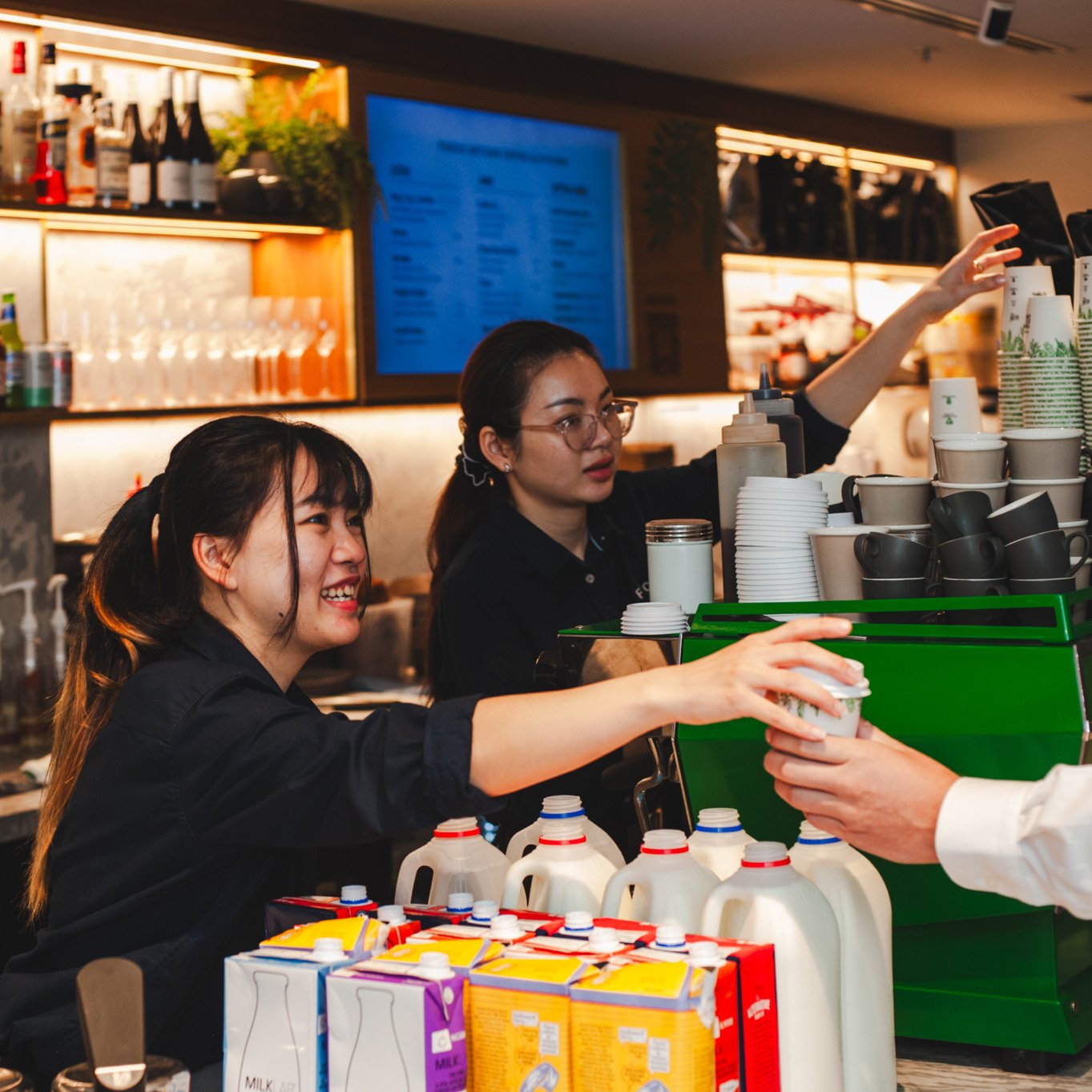
Workplace Hospitality helps businesses deliver these services in a consistent and professional way, supporting workplace, HR and facilities teams with in-office cafés, barista coffee, pantry programs, kitchen services and event hospitality.

6. Create Spaces and Moments for Connection
One of the biggest reasons employees come into the office is connection.
However, connection rarely happens automatically.
The workplace needs spaces, rituals and experiences that make interaction feel natural and easy.
Examples include:
Informal coffee catch-ups
Team collaboration days
Shared breakout areas
Lunch-and-learns
Staff celebrations
New starter welcomes
Town halls
Client events
Collaborative workshops
Hospitality often plays an important supporting role in these moments. Food, coffee and shared experiences help create low-pressure opportunities for employees to connect outside formal meetings.
For many businesses, improving employee engagement is less about creating large events and more about supporting everyday interaction between teams.
7. Strengthen Workplace Culture Through Consistent Experiences
Workplace culture is shaped through repeated daily experiences. Consistent experiences help reinforce company culture over time.
Businesses can strengthen culture through:
Welcoming arrival experiences
Shared workplace rituals
Thoughtful hospitality
Clear communication
Inclusive events
Recognition moments
Consistent workplace standards
Spaces that reflect organisational values
Hospitality-led services can support this consistency by helping workplaces feel more organised, welcoming and culturally aligned.
8. Listen, Measure and Improve Over Time
Workplace experience should continue evolving as employee expectations, attendance patterns and work styles change.
Useful workplace metrics may include:
Office attendance
Space utilisation
Meeting room demand
Employee feedback
Employee satisfaction
Event participation
Visitor feedback
Pantry or café usage
Amenity uptake
This allows workplace leaders to identify what employees value rather than relying on assumptions.
Successful workplace experience strategies are usually iterative. Businesses test ideas, gather feedback and adjust over time.
How Workplace Hospitality Can Support a Better Office Experience
Enhancing workplace experience requires more than one workplace initiative.
The strongest modern offices combine workplace design, technology, convenience, hospitality and culture into one connected experience.
Workplace Hospitality supports Australian businesses through in-office hospitality services that complement broader workplace experience strategies.
Services include:
In-office cafés
Barista coffee
Kitchen services
Pantry programs
Catering
Event hospitality
Guest hospitality
These services help workplaces feel more welcoming, connected and enjoyable for employees, visitors and teams.
Explore our trusted workplace hospitality services and corporate cafe menu.
Ready to create a workplace experience people look forward to?
Speak with Workplace Hospitality about in-office hospitality services that support connection, culture and a better day at work.
